

Most of us have been there.
You take your laptop out to work, find a decent seat, open your machine, and get into the flow. Everything feels fine… until your eyes drift to the battery icon. 34%. Then 27%. And from that moment on, your focus quietly starts to split.
You’ve probably experienced this too.
It’s not because your laptop battery is bad.
It’s because a familiar thought creeps in: Will this be enough to get through the rest of my work session?
Laptop batteries aren’t weak – the way we work has changed
Compared to a few years ago, modern laptops have much better battery life. They last longer, charge faster, and behave more reliably. But our working habits have changed just as much.
We move around more.
We work from cafés, coworking spaces, or squeeze work into short windows throughout the day. We stay online longer and keep more apps open at once.
The issue isn’t the battery itself.
It’s that battery capacity has limits, while our work rhythm doesn’t.
“Battery anxiety” – a small worry with real impact
As the battery percentage drops, our mindset shifts.
We dim the screen, close tabs, hesitate before opening new apps. Not because we want to, but because we’re afraid the battery won’t last.
Work continues, but attention is divided.
Part of your mind stays on the task, the other part keeps checking the battery.
It may not feel like a big problem, but over time this sense of uncertainty makes working outside far less comfortable than it should be.
When a powerful power bank becomes a practical solution
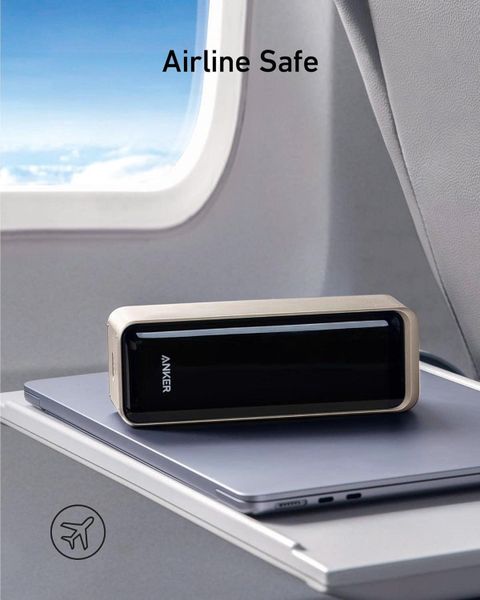
What’s interesting is that the solution doesn’t always require changing how we work. Sometimes, all it takes is a reliable backup option.
A laptop power bank, when it’s powerful and stable enough, does more than just add extra charge. It gives back a sense of control.
There are days when you don’t even need to use it.
But just knowing it’s in your bag changes how you work. You no longer choose seats based on power outlets or cut sessions short because of low battery.
Why laptop power banks are different from phone chargers
Phone power banks focus on being small and convenient.
Laptop power banks need something else entirely: high output and stability.
If the output isn’t sufficient, the laptop keeps draining even while plugged in.
If the power delivery isn’t stable, charging becomes little more than a temporary patch.
That’s why laptop power banks are less common. But when you use the right one, the difference is immediately noticeable.
Power bank options many people choose for different usage needs
In reality, there’s no single power bank that fits everyone. Each option below suits a different working style and level of need.
When you want enough power to feel at ease
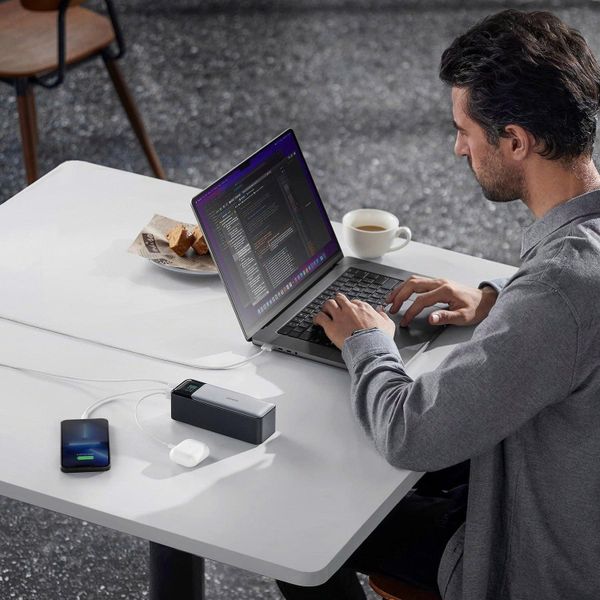
👉 More detail about Anker 737 Power Bank
Designed specifically for laptops, this model offers enough output to charge reliably while remaining practical for daily carry.
It suits people who work flexibly and want a dependable backup without carrying an oversized battery.
When you carry multiple devices and work long hours
Anker Prime Power Bank 27,650mAh (250W)
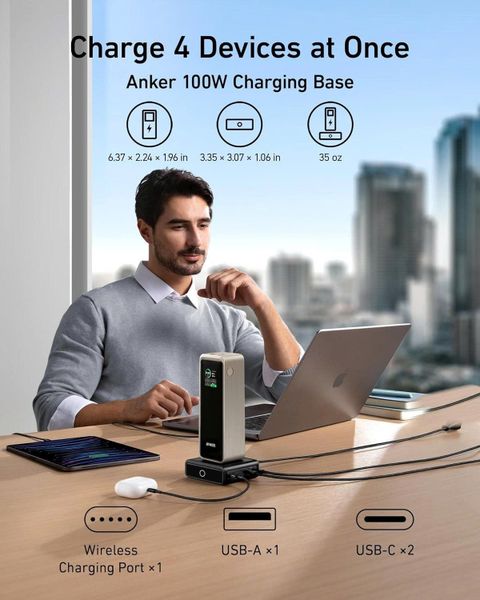
👉 More detail about Anker Prime Power Bank 27,650mAh
If you regularly carry a laptop, tablet, and phone, this option removes the need to constantly decide which device gets priority.
The experience it offers is simple: even on long workdays, everything stays under control.
When you want something lighter and easier to carry
Baseus Blade Laptop Power Bank
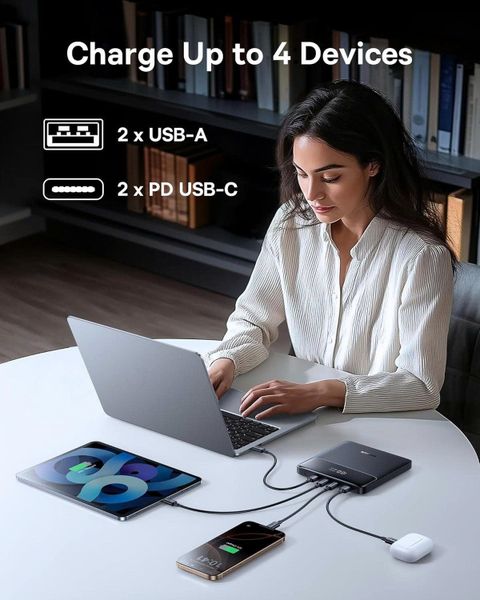
👉 More detail about Baseus Blade Laptop Power Bank
Its slim, flat design fits easily into a backpack. Power output is sufficient for most USB-C laptops, making it a good choice for people who move around a lot but don’t want extra weight.
When you want a balance between performance and value
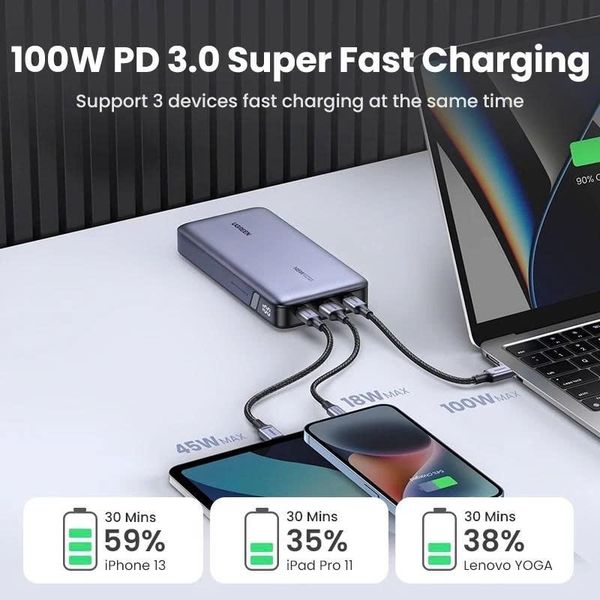
👉 More detail about UGREEN Nexode Power Bank 145W
A well-balanced option with enough power for laptops and a price point that’s often more approachable than premium models. Ideal for those trying a laptop power bank for the first time without sacrificing performance.
So which type of power bank do we really need?
Looking at these options side by side, it becomes clear that each one addresses a different situation:
Flexible work → a reliable backup
Multiple devices → higher total output
Long-term use → stable, durable design
Frequent travel → lighter, slimmer build
Budget awareness → balanced performance
There’s no “best for everyone.”
Only what fits your way of working.
When you might not need a laptop power bank yet
If you work at a fixed desk, always have access to outlets, and rarely take your laptop outside, a power bank may not be necessary right now.
It’s not an accessory everyone needs. And it’s not something worth buying just because others use one.
Final thoughts
In the end, the more important question isn’t which power bank is the most powerful, but:
Are we buying more battery, or are we buying peace of mind while working?
A laptop power bank doesn’t have to be used every day.
But when you do need it, removing one small worry can make a work session feel noticeably calmer and more comfortable.