

When Charging No Longer Feels Like a Daily Stress
For years, I’ve lived with the habit of topping up my phone battery before heading out, or frantically looking for a charger after a long day. But ever since I upgraded to the iPhone 16 Pro Max, that cycle broke completely.
No more battery anxiety. No more rushing to plug in before leaving the house. Just all-day performance – and sometimes, even well into the next day. And that’s when it hit me: I no longer care about fast charging.
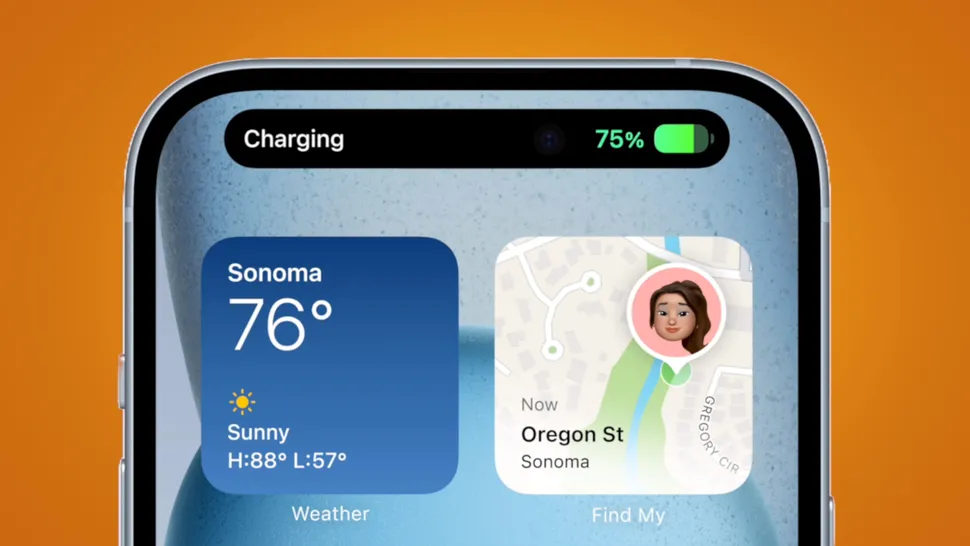
In a world where smartphone brands boast 120W, 150W, or even 240W charging speeds, this might sound strange. But after using the iPhone 16 Pro Max, I realized the most important thing is battery longevity and reliability, not how fast I can refuel in ten minutes.
The Fast-Charging Race — and the Hidden Cost Behind It
Let’s be honest. Over the past few years, charging speed has become a major battleground for phone manufacturers. It started with 30W being impressive, and now we have:
Xiaomi 15 Ultra: 90W wired + 80W wireless charging
Realme GT5 Pro: 100W with bundled charger
OnePlus 12R: Charges fully in under 25 minutes
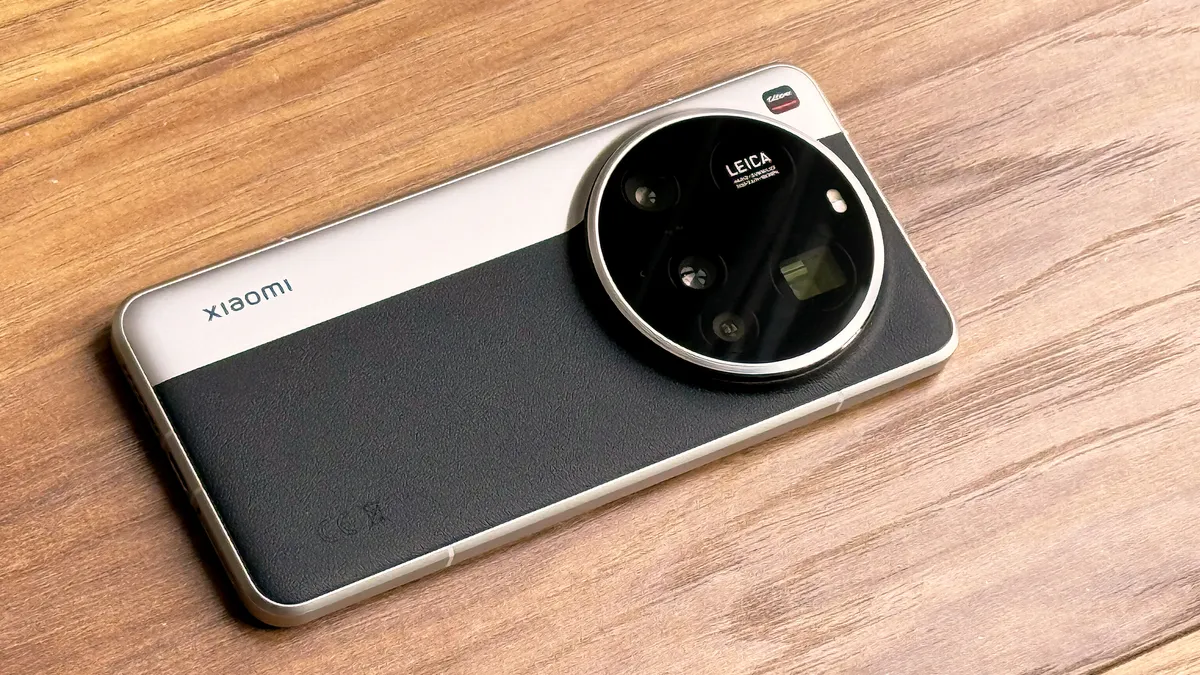
Chinese brands like Xiaomi, Realme, and OnePlus have led the way, using custom bricks and proprietary charging tech as headline features. Their ads often showcase how their phones can go from 0% to 100% in under 10 minutes.
It was flashy, and for good reason. Many of these phones didn’t have the best battery life. So fast charging helped compensate — a quick top-up at 5 PM and you were good until bedtime.
But that convenience came with trade-offs.
The Downsides of Fast Charging
Heat buildup: One of the top causes of battery aging.
Faster degradation: Many fast-charging phones use dual-cell batteries, which degrade faster under high current.
Proprietary limitations: You need the original charger and cable to get the full speed, which isn’t always practical when traveling or charging at work.
How the iPhone 16 Pro Max Changed My Priorities
After a few weeks with the iPhone 16 Pro Max, I realized something important:
“The best battery experience isn’t about speed. It’s about not having to think about charging at all.”
This phone lasts comfortably for a day and a half, even with heavy use. I don’t worry about plugging it in midday or carrying a power bank anymore. And that peace of mind changed how I evaluate smartphones.
Now, I prioritize battery health and endurance over how many watts my charger can push.
Why Battery Longevity Matters More Than Ever
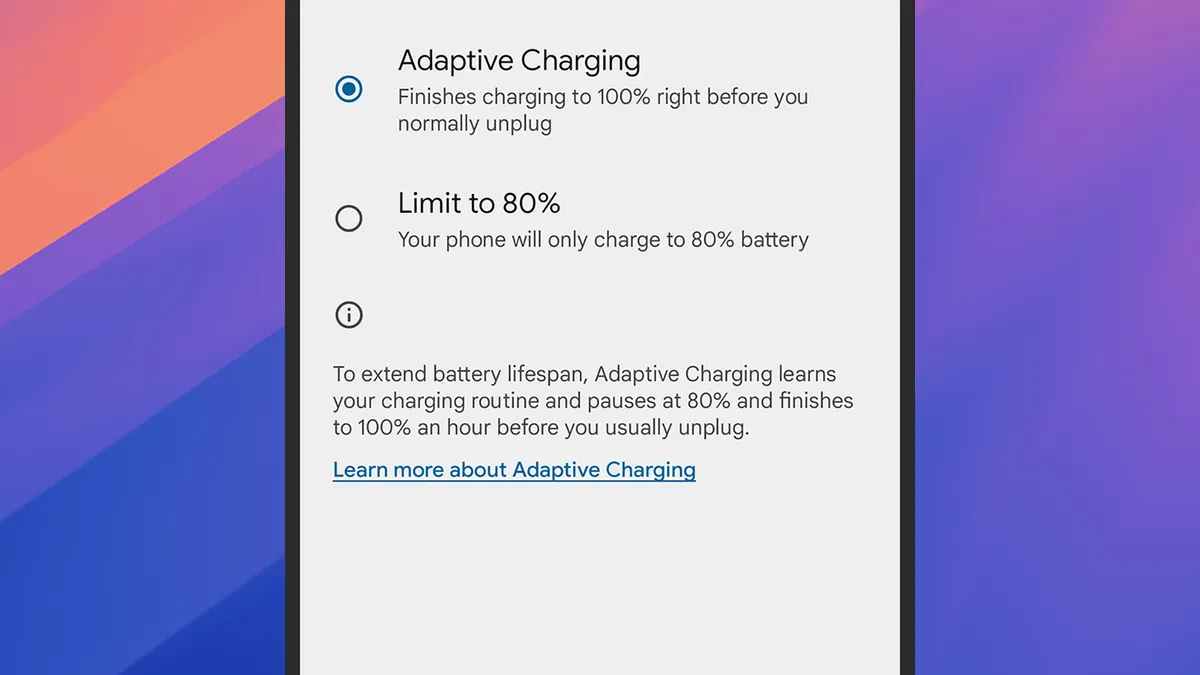
Yes, fast charging is convenient. But it can reduce your battery’s lifespan over time. Research shows that high-speed charging increases thermal and voltage stress, which limits the number of charge cycles a battery can endure.
That’s why more phone makers are focusing on battery health features:
Apple: Optimized Battery Charging caps the charge at 80% overnight to reduce chemical wear.
Samsung: Battery Protect on the Galaxy S25 Ultra works the same way.
Oppo/Xiaomi: Their Battery Health Engines and AI-powered charging modes help preserve battery capacity.
Smarter Software and Efficient Chips Are the Real Game Changers
Software Optimization
Battery life is no longer just about capacity — it’s also about how intelligently your phone manages power. This is where software plays a huge role.
Modern smartphones have:
App Standby: Pauses unused apps in the background.
Adaptive Battery/Charging: Learns your habits to optimize power use.
AI energy management: Prioritizes important tasks, kills power-hungry ones.
Apple’s iOS and Android 14+ have matured significantly in these areas.
Power-Efficient Processors
iPhone 16 Pro Max uses the A18 Pro chip — built not only for speed but for efficiency.
Galaxy S25 Ultra and OnePlus 13 use Snapdragon 8 Gen 3 (Elite), designed for low power consumption.
As a result, phones today can deliver longer screen-on time without requiring a bigger battery or sacrificing performance.
Habits Matter More Than Speed

Let’s be clear: fast charging still has value.
It’s a lifesaver when you forget to charge overnight and need a boost before heading out. But on most days, charging speed matters less — especially if:
You charge while working or sleeping.
Your phone lasts over a full day.
You’ve built better charging habits.
Tips for Extending Battery Health:
Keep your battery between 20% and 80%.
Avoid full 0–100% charge cycles daily.
Turn off fast charging when not needed (some phones allow this).
Don’t charge when your phone is hot.
These small actions, over time, make a big difference.
It’s About the Experience, Not the Specs
The iPhone 16 Pro Max doesn’t have the fastest charging. But it’s the first phone that made me stop thinking about battery life altogether.
I no longer chase wattage. I don’t compare charging times. I just charge when convenient — and the phone lasts.
And that, to me, is what matters most in 2025:
Not how fast you can charge
But how little you have to worry about charging
So if you’re buying your next phone soon, ask yourself:
“Will this phone get me through the day — stress-free?”
Because in the long run, endurance always beats speed.
#iPhone16ProMax #FastCharging #BatteryLife #SmartphoneBattery #AppleBatteryOptimization #MobileTips #iOS18 #PhoneChargingTips #LongBatteryLife #iPhone2025 #IkigaiTeck #TechTrends #PowerManagement #SustainableTech #MobilePerformance